

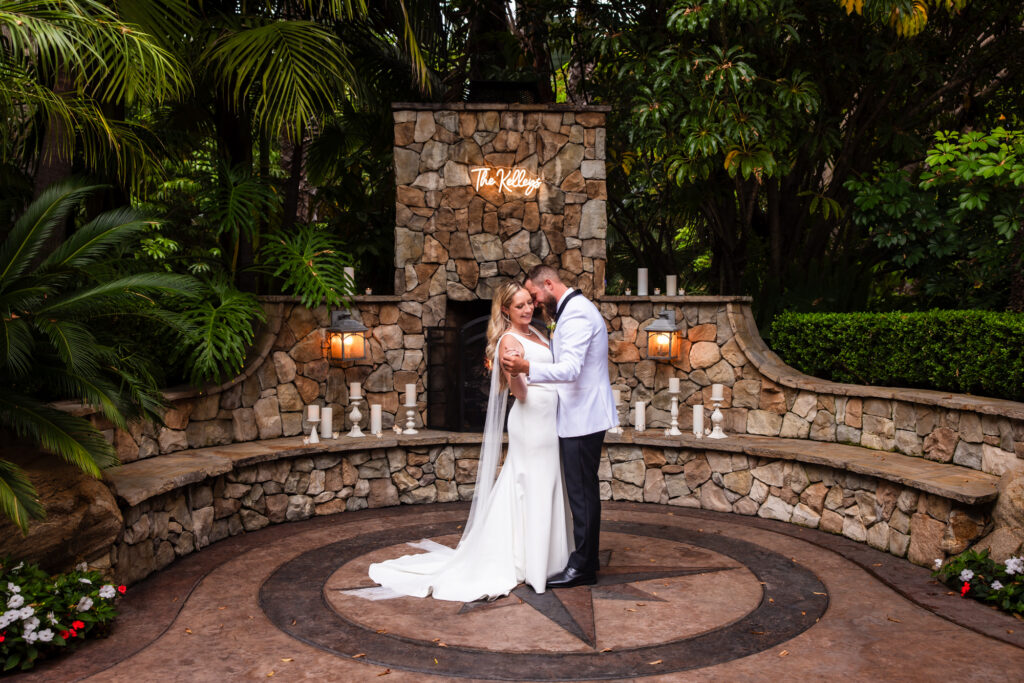
Cinematic wedding photography doesn’t happen by accident. It’s the result of a thoughtful timeline, a trusted eye behind the camera, and a handful of small decisions made long before anyone says “I do.” As a San Diego wedding photographer working with couples across Southern California and beyond, I’ve learned that the most striking, film-worthy images almost always come down to the same few choices. It’s rarely about the gear. It’s about protecting the right light, giving yourselves real time together, and trusting the process instead of managing it. If you’re planning a wedding and want photos that feel like they belong in a film rather than a photo booth, here are the six things I tell every couple before their wedding day.
THIS POST AT A GLANCE
- Topic: What makes wedding photography cinematic, and six ways to plan for it
- Best for: Couples who want magazine-worthy wedding photos and are building their timeline
- Covers:
- Building your timeline around light, especially golden hour
- Choosing a photographer you love, then trusting them
- Giving yourselves intentional time alone
- Walking the grounds for variety and movement
- Leaving room for unscripted moments
- Designing an album with the story in mind
- Key takeaway: Cinematic photos come from planning choices, not gear or filters. Protect the light, make time for each other, and trust the process.
What Makes Wedding Photography Feel Cinematic
Before diving into the tips themselves, it helps to define the term. Cinematic wedding photography isn’t a filter or a preset. It’s a way of seeing the day, with attention to light, movement, emotion, and pacing. It treats your wedding less like a checklist of poses and more like a story unfolding in real time.
My background in film production shapes how I approach every wedding I photograph. Long before PMC Photography existed, I was thinking in terms of scenes, timing, and emotional beats. That instinct carries directly into how I capture a wedding day, from the way a scene is framed to the way light and shadow are used to build mood. It’s part of what sets PMC apart from photographers who are simply documenting a day rather than shaping it into something that feels alive years later.
1. Build the Timeline Around Light, Not Just Logistics
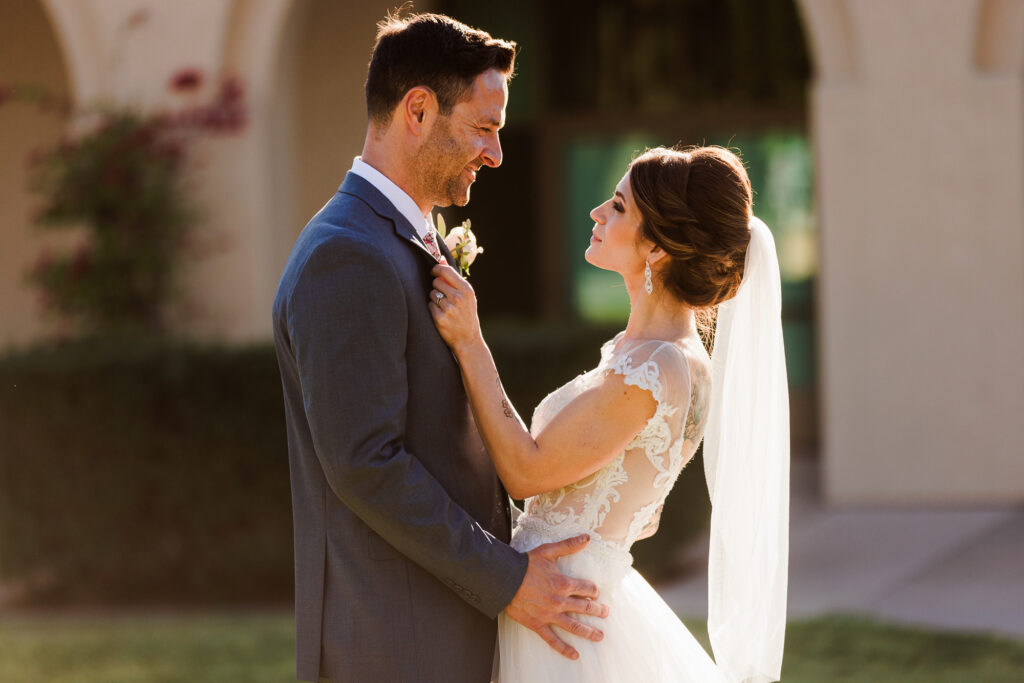
Golden hour doesn’t wait for the reception to end. Most cinematic portraits come from protecting 30 to 60 minutes before sunset, when the light does half the work on its own. Couples who plan around this, rather than squeezing portraits into whatever gap is left, consistently end up with warmer, more luminous images. When we build your wedding day timeline together, light comes first. Logistics get built around it, not the other way around.
2. Choose a Photographer Whose Work You Already Love, Then Let Go
You hired a specific eye for a reason. Once the day begins, the best thing you can do is trust it. Couples who get the most striking, cinematic wedding photography are the ones who stop directing and start living in the moment. Micromanaging poses tends to produce photos that feel exactly like what they are: managed.
This is also why the consultation process matters so much before you book. Talk to your photographer. Look at full galleries, not just highlight reels. Make sure their instincts match the story you want told. When the day comes, letting go feels easy instead of risky.
3. Give Yourselves Intentional Time Alone
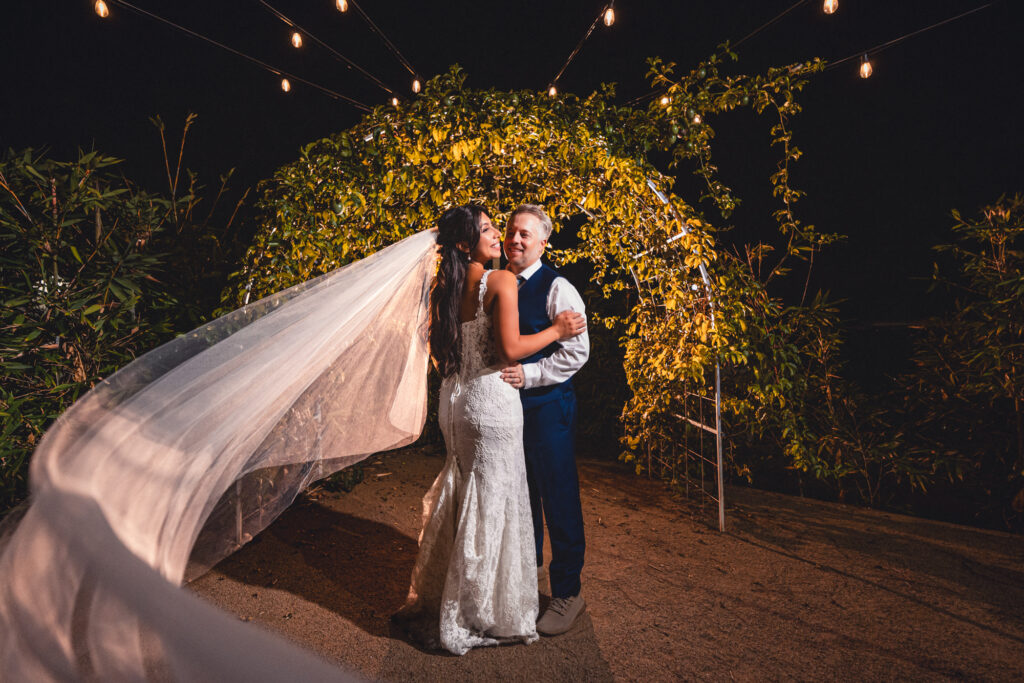
It’s the only stretch of the day when it’s truly just the two of you, aside from your photographer. No family, no schedule, no one else watching from the sidelines. Lasting images from any wedding come from this window, whether it’s a first look, a quiet moment after the ceremony, or a slow walk between locations.
Couples often underestimate how much they need this. A rushed timeline with no breathing room rarely produces cinematic wedding photography, no matter how beautiful the venue is.
4. Say Yes to a Walk
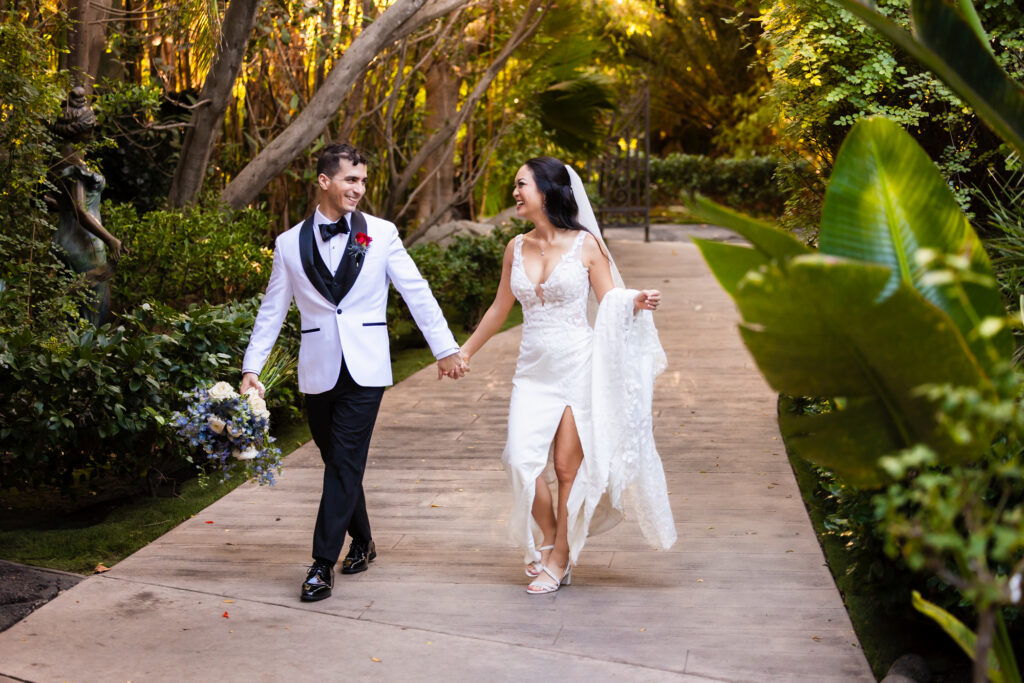
A short walk to a second or third spot on the property changes the entire feel of your gallery. It also gives you a genuine breather in the middle of an overwhelming day. That ease almost always shows up in the photos. Whether your wedding is set along the coastline in San Diego or tucked into the hills of Temecula, walking the grounds adds variety and movement to the story. This is one of the simplest ways to add visual range to your gallery without adding stress to your day.
5. Let the Unscripted Moments Happen
The laugh between poses. A hand resting on a shoulder while you wait for the next shot. These in-between moments usually end up being the images couples return to first, years later. Cinematic wedding photography leaves room for these beats instead of editing them out in favor of only the posed shots. Part of my approach on the day is staying present but unobtrusive, ready to catch what happens between the directed moments, too.
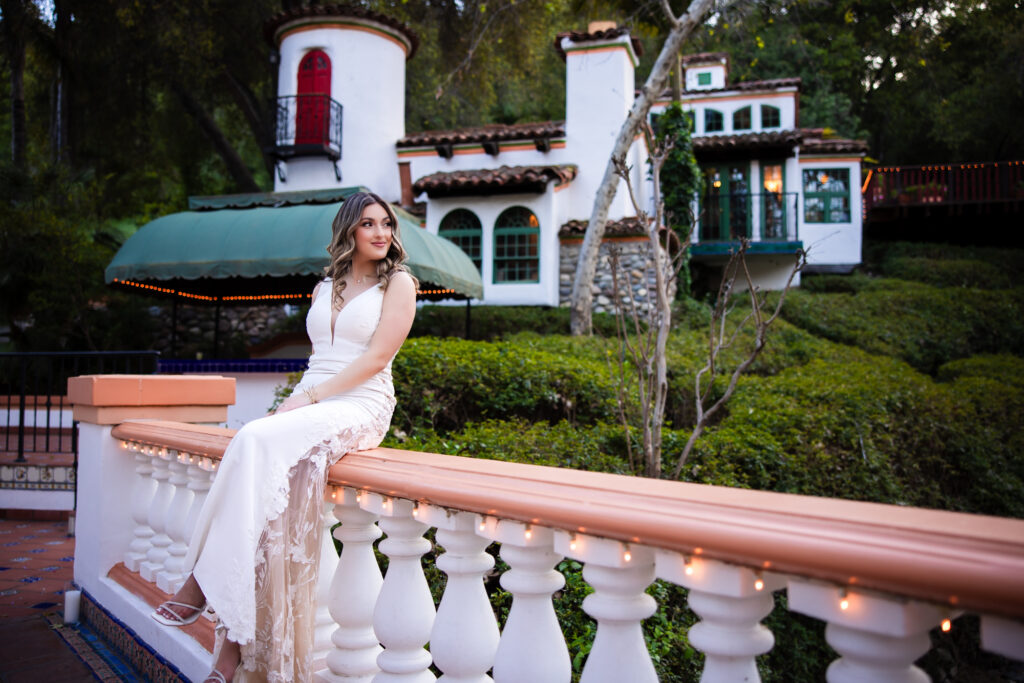
6. A Great Album Is Designed, Not Just Assembled
The best albums aren’t built by picking favorites after the wedding is long over. They’re photographed with the story already in mind on the day itself, with quiet moments, meaningful details, and wide shots that give a spread room to breathe. That intention while photographing is what makes an album feel like a story instead of just a highlight reel. This philosophy carries into every part of the PMC process, including the live album design appointment, where we build your album together with pacing and narrative in mind rather than simply dropping in a stack of favorites.
Why This Matters for Your Wedding Day
Cinematic wedding photography isn’t about chasing a TikTok trend. It’s about making choices, before and during your wedding day, that protect the moments you’ll actually want to look back on. A well-planned timeline, a photographer you trust, real time alone, a little movement, room for the unscripted, and intention behind the camera all work together to create a gallery that feels less like documentation and more like a story.
If you’re currently planning a wedding in Southern California, these are conversations worth having with your photographer early on. They shape everything from your day-of timeline to the album you’ll keep for decades.
If this resonates with how you picture your own wedding day, I’d love to talk through what your timeline could look like. Reach out here to start the conversation, or browse the PMC Photography portfolio to see how these six principles come together in real weddings.


